
Long-Form Field Writing
Our dispatches read like a dedicated environmental quarterly — dense with practical detail, organised for extended reading on trail or at camp.
Last season, three guide teams completed parallel traverses across the southern alpine zone. Their reports converged on a single observation: early snowmelt had shifted river crossing windows by nearly two weeks compared to the previous year's data. Routes that were typically passable by mid-November required additional ford assessments well into December.
Gear evaluations from those traverses focused on load distribution rather than brand preferences. Teams carrying packs above 16 kilograms reported significantly slower river crossing times and higher fatigue rates on exposed ridgelines. The data reinforced what our loadout calculator already suggests — weight reduction in the shelter and cooking categories yields the most practical gains for multi-day alpine routes.
Seasonal strategy shifts are documented in detail within each dispatch. Spring routes emphasise water management and mud traction. Summer entries track heat exposure intervals and shade availability. Autumn dispatches focus on daylight reduction and early frost at elevation. Winter logs, where routes remain accessible, cover ice assessment and emergency bivouac protocols.
Every dispatch includes coordinate references tied to our regional atlases, so readers can cross-reference terrain data with narrative field observations. This integration is deliberate — narrative context without spatial data is incomplete for backcountry planning.
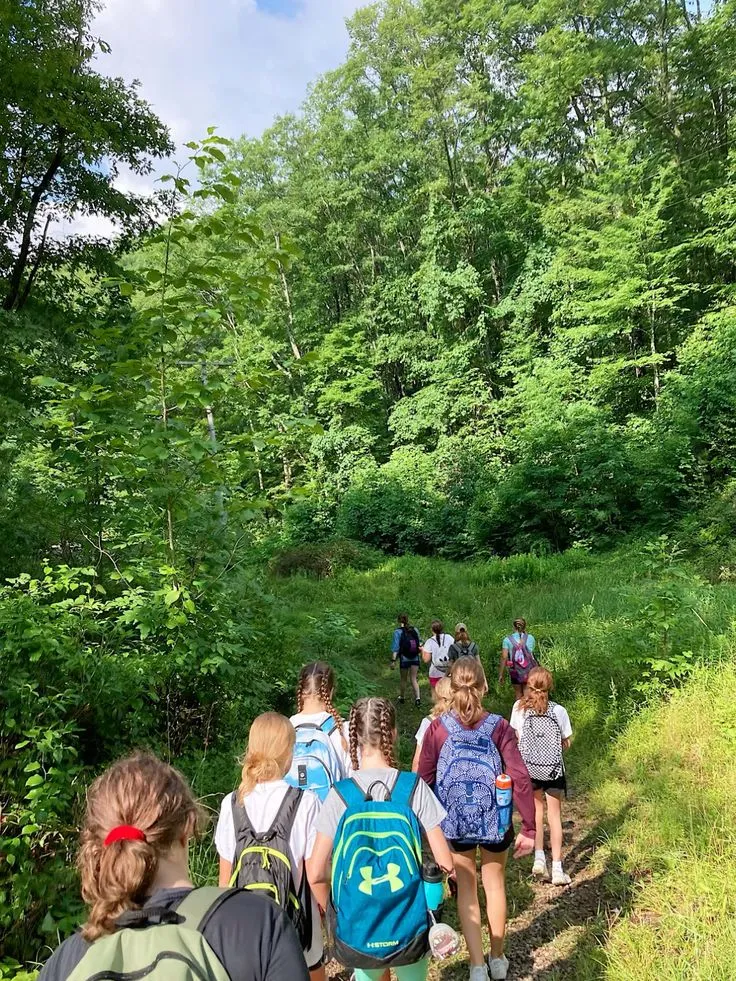
Equipment Evaluated in Actual Conditions
We test shelter systems, cookware, navigation tools, and footwear across multiple terrain types before including them in our pack manifests. Reports document setup time, durability under wind exposure, and repair feasibility — not marketing claims.
View Sample GearTrail Condition Board
Guides log real-time updates regarding trail blockages, river crossings, and seasonal wildlife area closures.
Deadfall blockage reported at km 14.2. Alternate route via eastern spur adds 1.8 km. Cleared passage expected within two weeks.
Boardwalk section B-7 under maintenance. Detour via northern loop trail. Estimated reopening next month.
River crossing at Ford Point running high after rainfall. Waist-deep at peak flow. Crossings recommended during morning low tide only.
Seasonal wildlife closure active on eastern plateau until end of nesting period. Western approach remains open.

Submit a Field Report
If you have recent observations from a mapped territory, our editorial team welcomes structured submissions. Include coordinates, date of observation, and a neutral description of conditions encountered.
Submit Report